

 Vi.


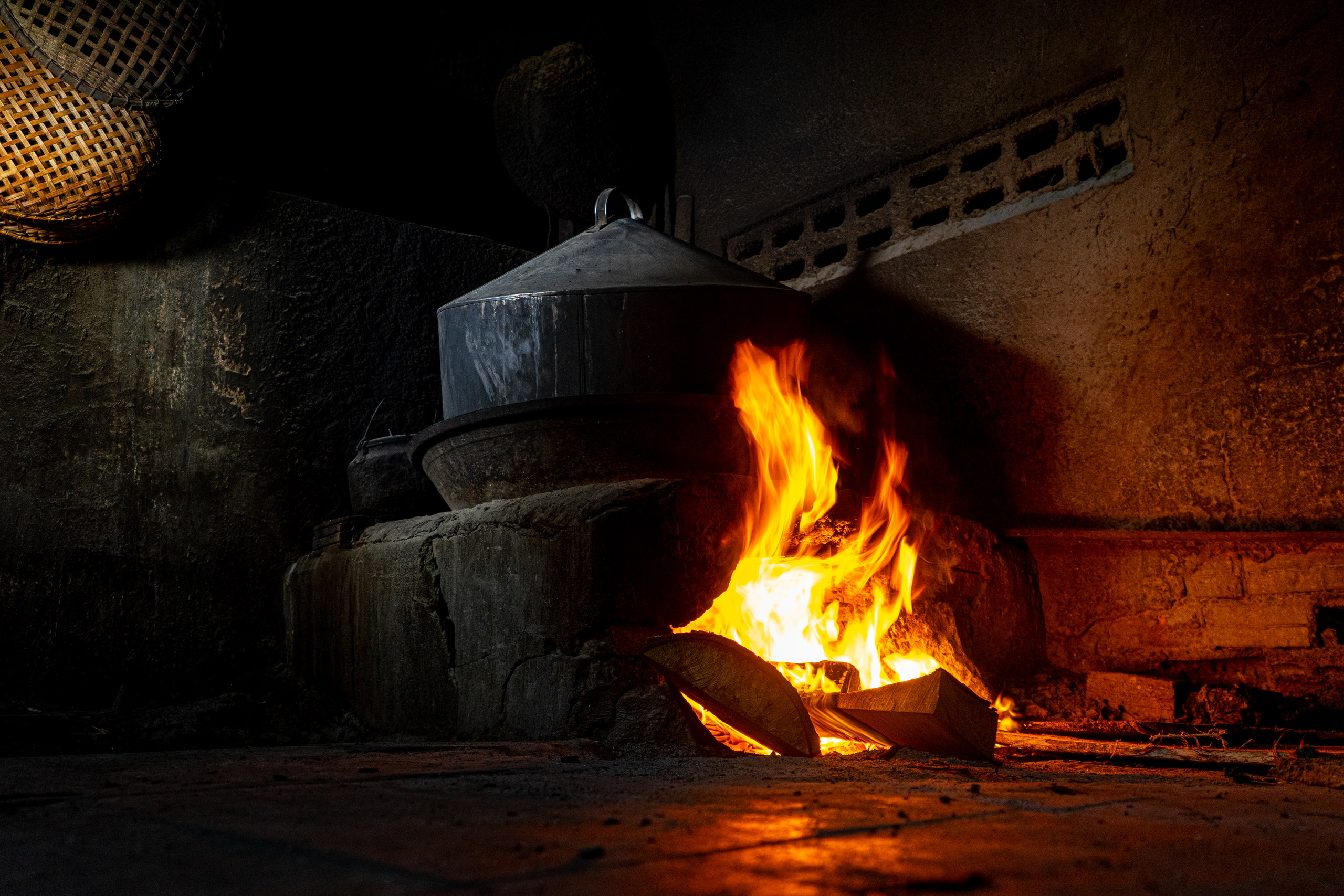
In Trường Lệ, Hội An, the families who make Cao Lau noodles have kept their craft alive for generations. Some workshops operate 364 days a year, closing only on the first day of Tết. From one in the morning, the workers begin their day so that each batch of noodles reaches the eateries by daybreak.
At one in the morning, long after the restaurants in the old town have closed, the Cao Lau workshops in Trường Lệ fire up their stoves. The rice has been soaked in advance, the dough is ready, and everyone sets about their familiar tasks. I spent an entire night here, following the workers to learn how Hội An’s signature noodles are made.
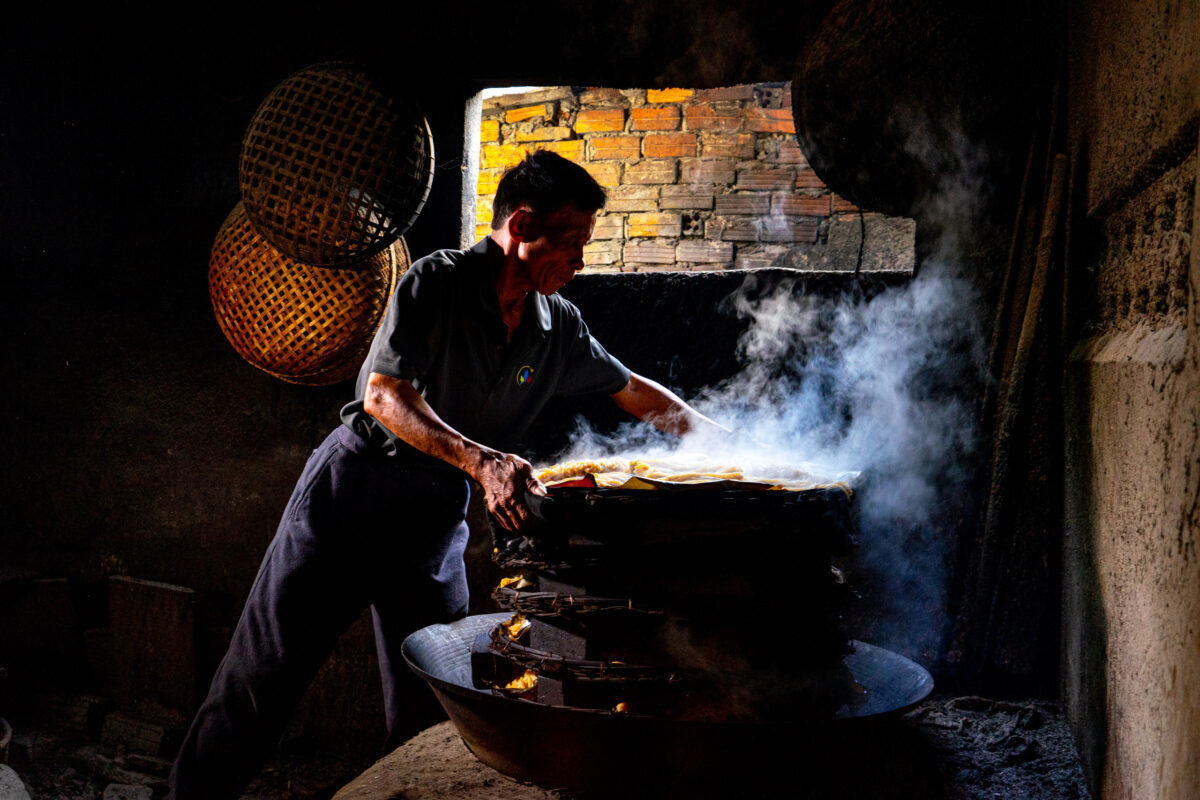
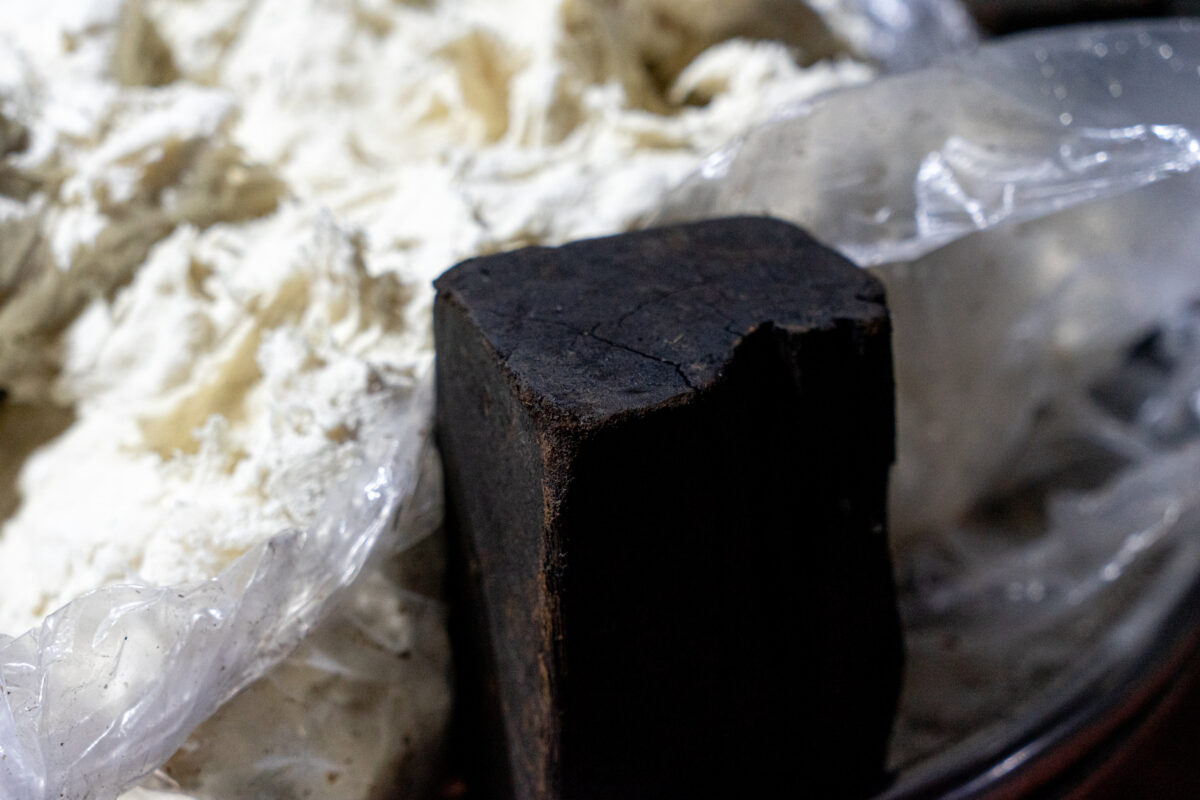
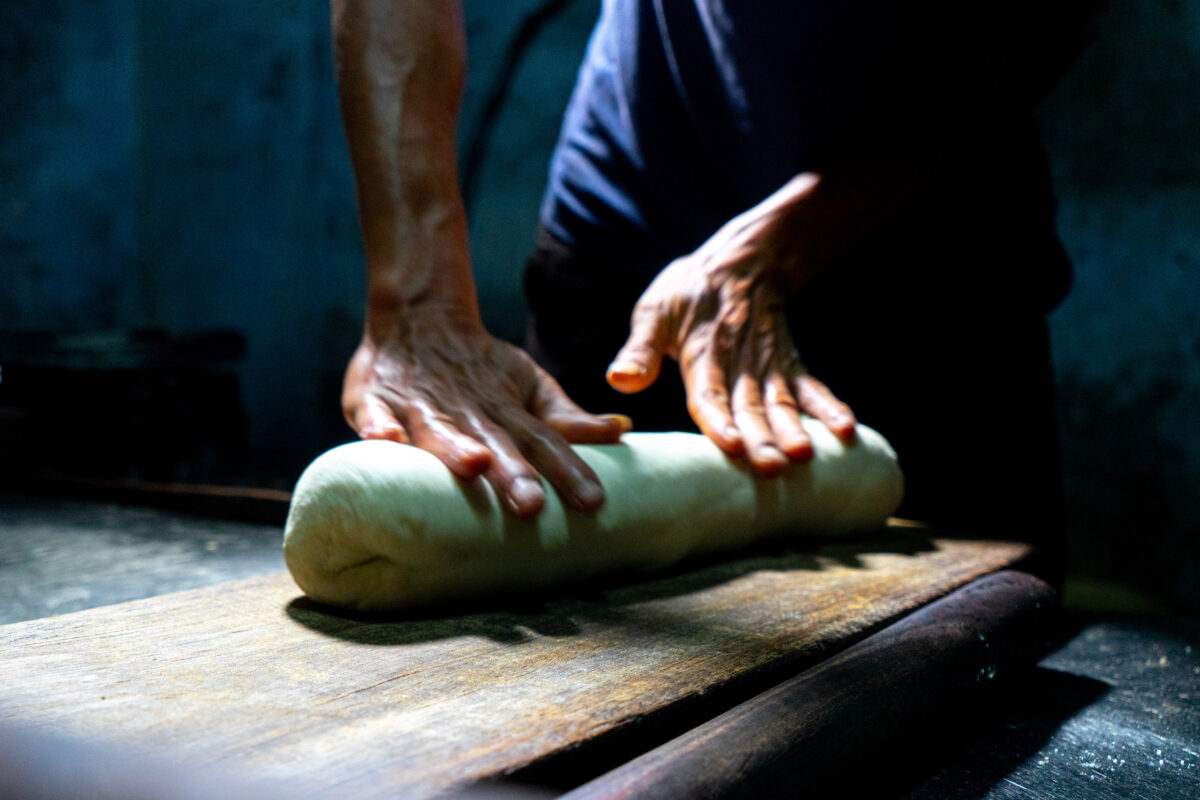
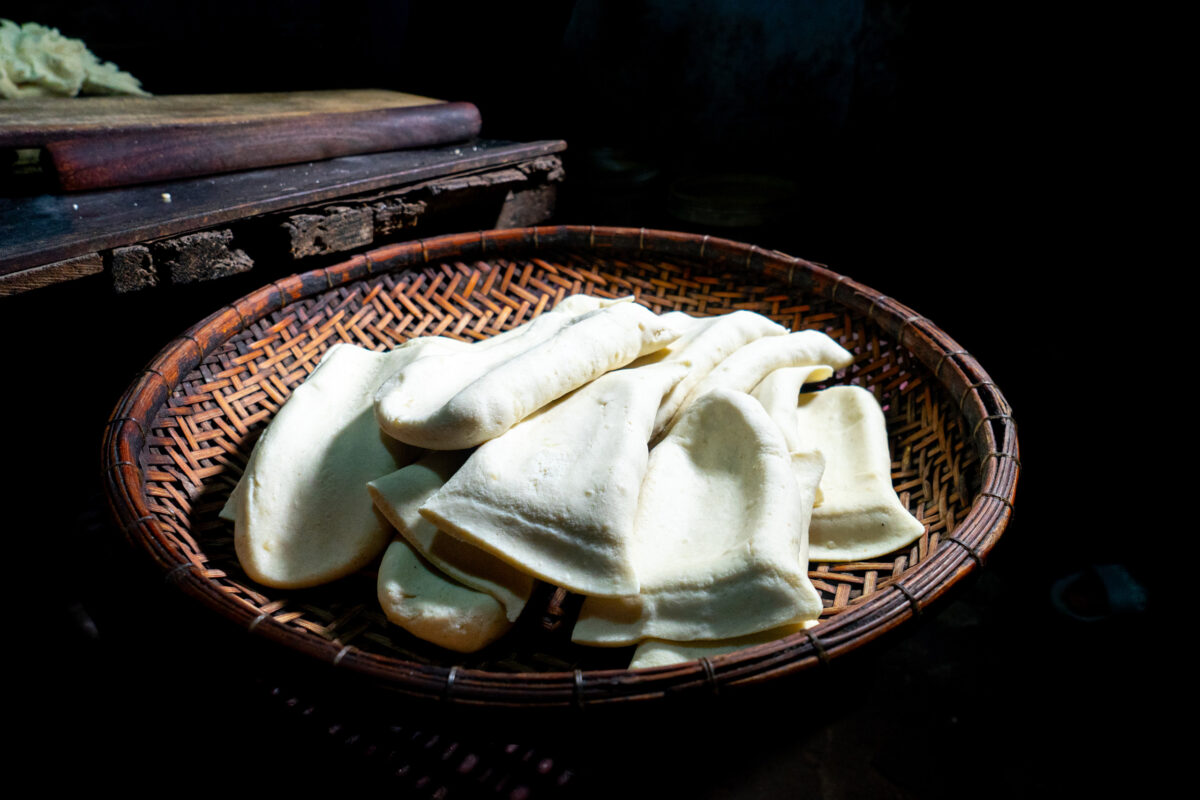
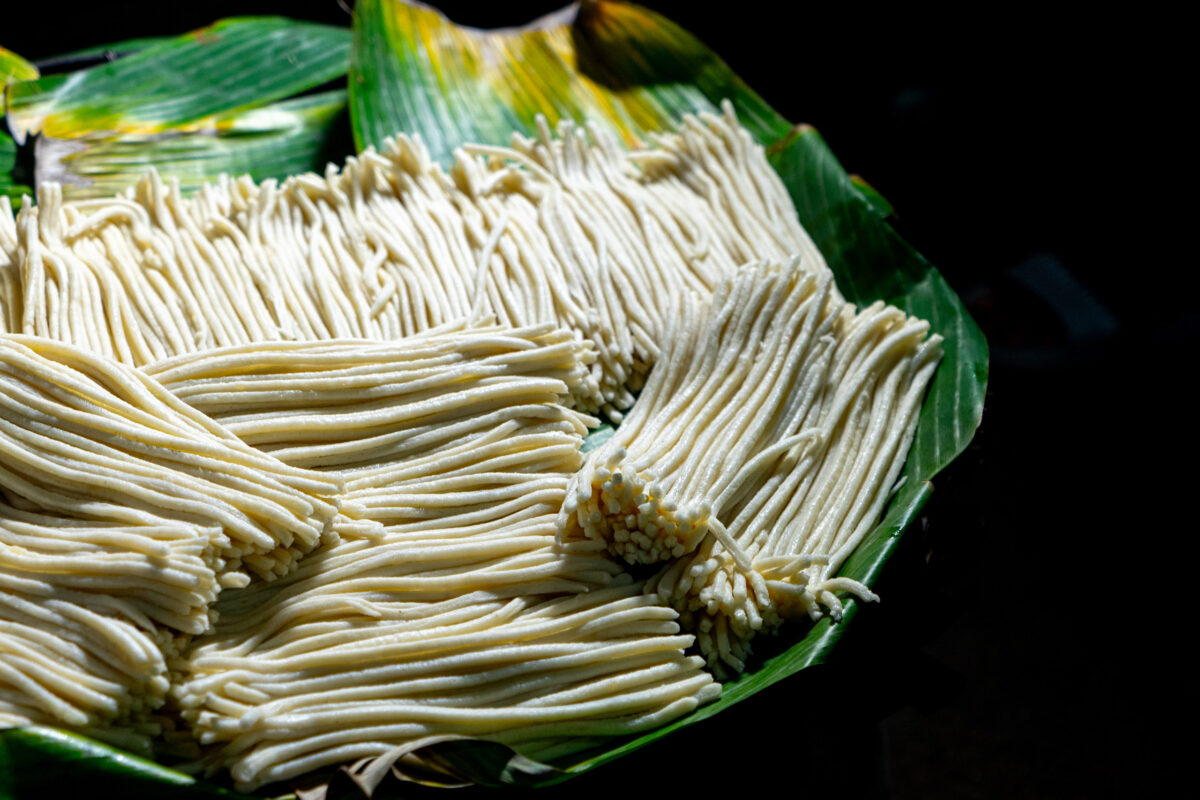
To make a strand of Cao Lau, the rice must go through many stages of soaking, grinding, filtering and kneading. Water softens the dough, fire cooks it, and each element contributes to the noodles’ distinctive chewiness and firmness. After the first steaming, the dough is rolled out, cut into strips and then steamed a second time. To achieve the desired quality, the makers must control moisture, temperature and timing at every stage. Some of this know-how is hard to put into a formula, yet with just a glance or a touch, a seasoned craftsman knows exactly what to adjust.
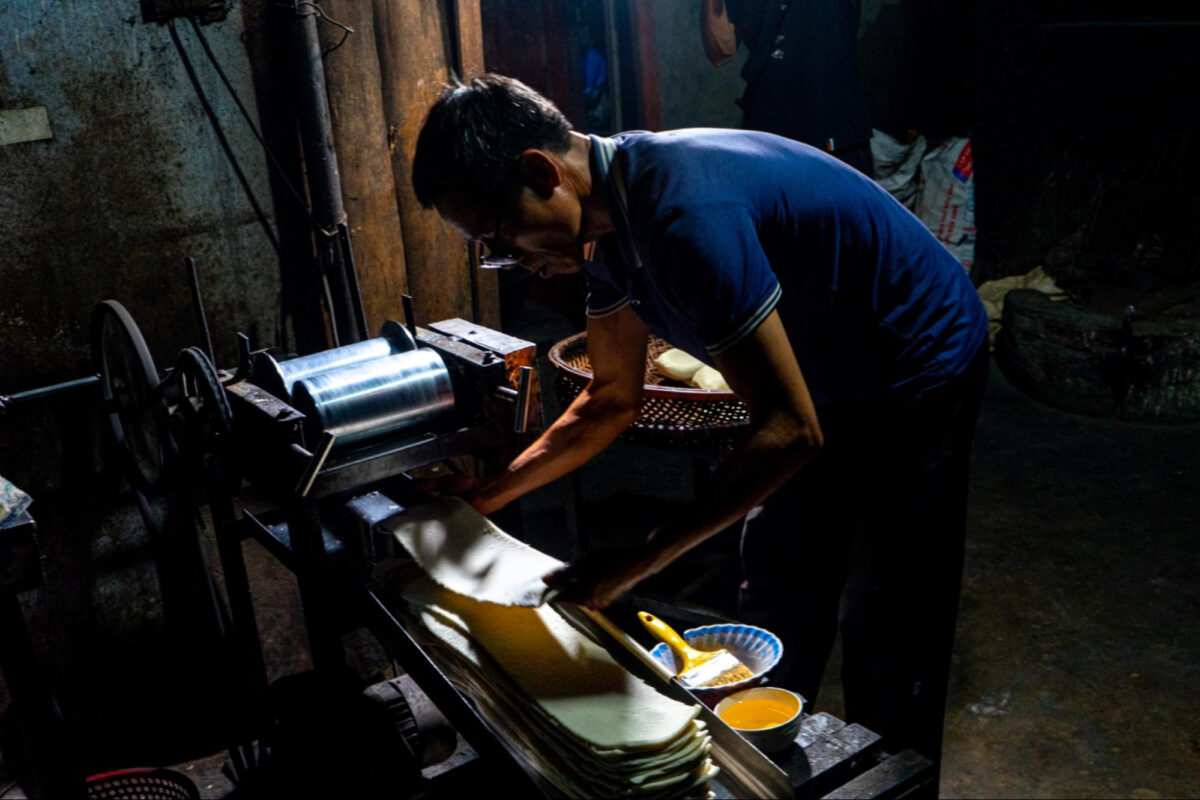
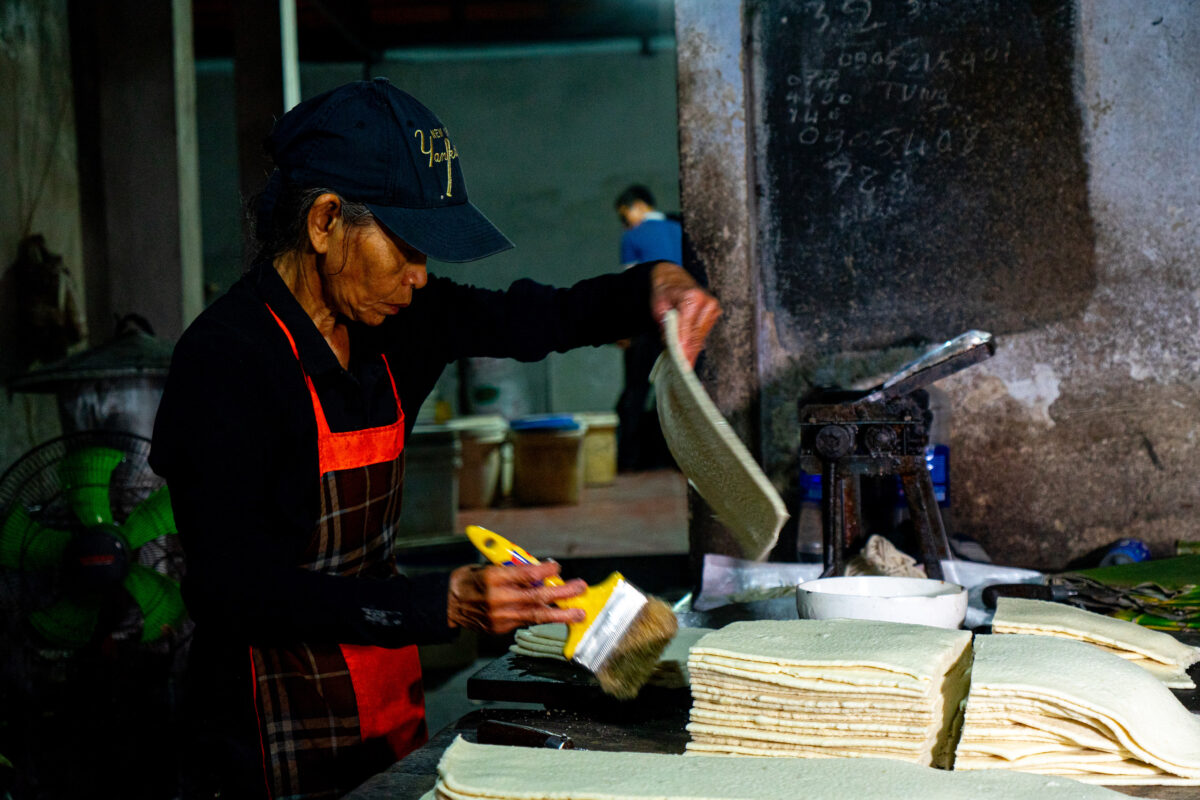
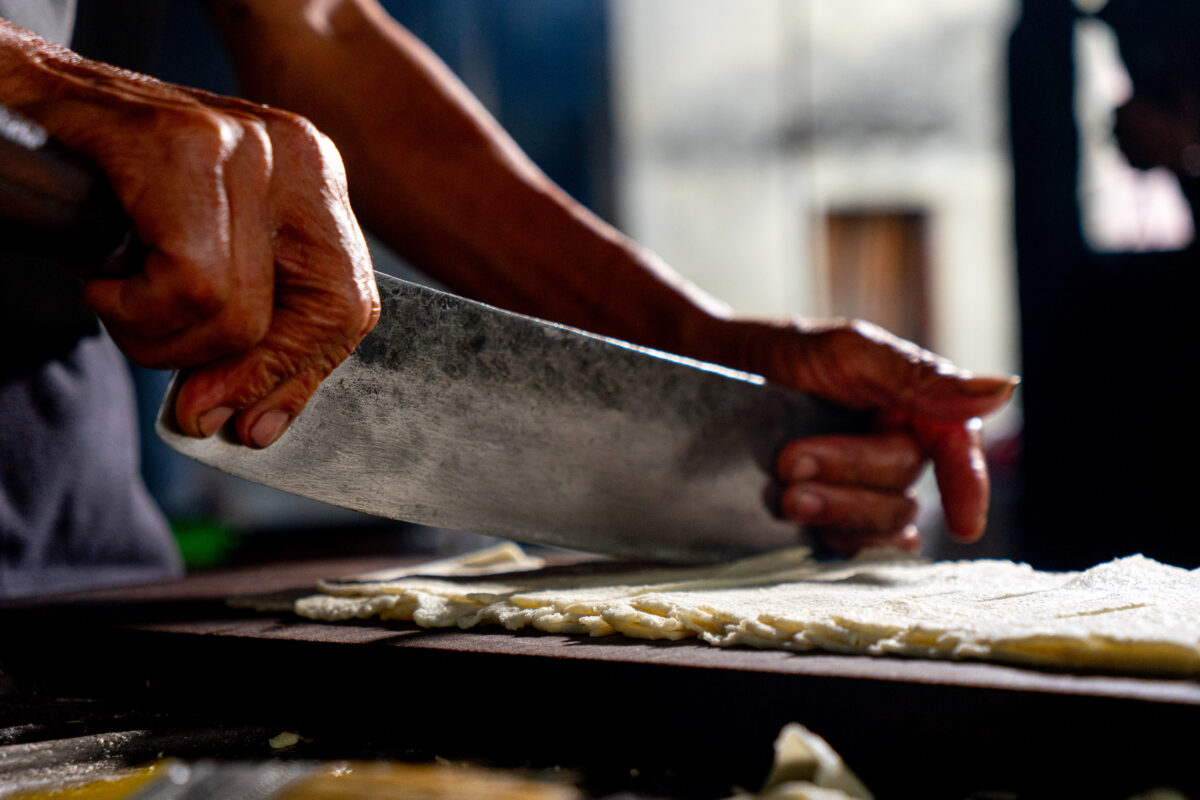
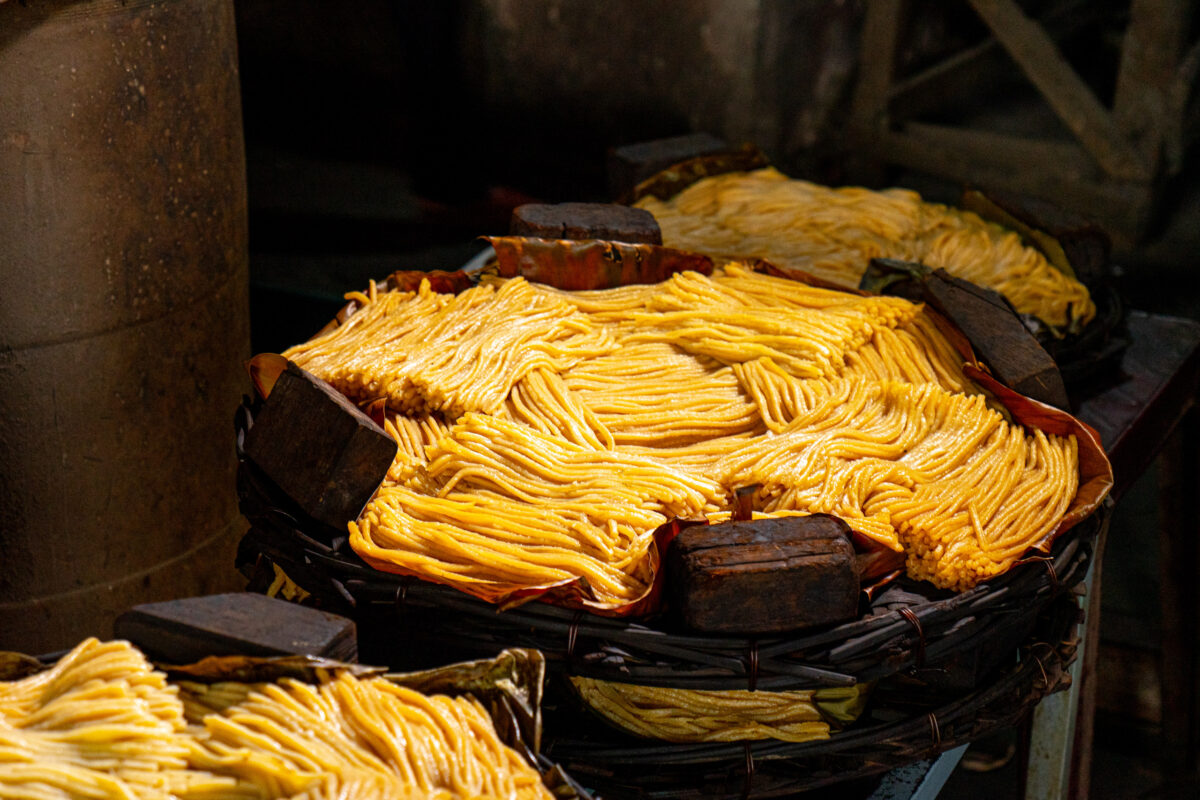
In the hot kitchen, steam rises constantly from the steamers. One stage follows another, and the bamboo trays fill up with noodles one after another, ready to be delivered in the morning. Everyone has their own job, working together in perfect rhythm. Three, four, then five in the morning, the work goes on. The workers are used to the heat, the repetitive movements and the pressure of finishing each batch on time.
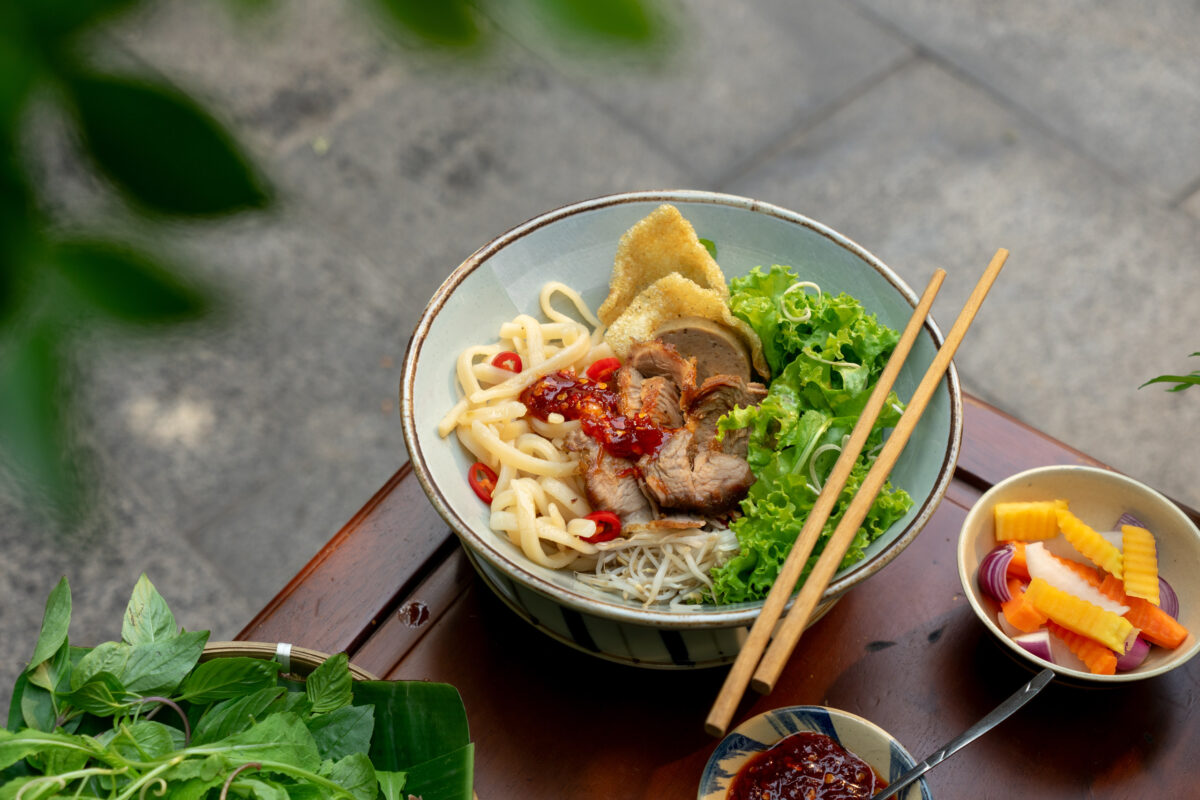
The craft is handed down from one generation to the next, with the young learning from their elders at every step. For them, it is the family’s livelihood, a job so familiar that there seems to be nothing special to tell. But keeping a handicraft going on such a schedule, with almost no days off all year, takes a great deal of perseverance, especially since the quality of the noodles still depends so much on the experience and the hands of the maker. When day breaks, the noodles are taken to the eateries, where they become bowls of Cao Lau with char siu pork, fresh herbs, crispy fried Cao Lau and a touch of rich sauce.
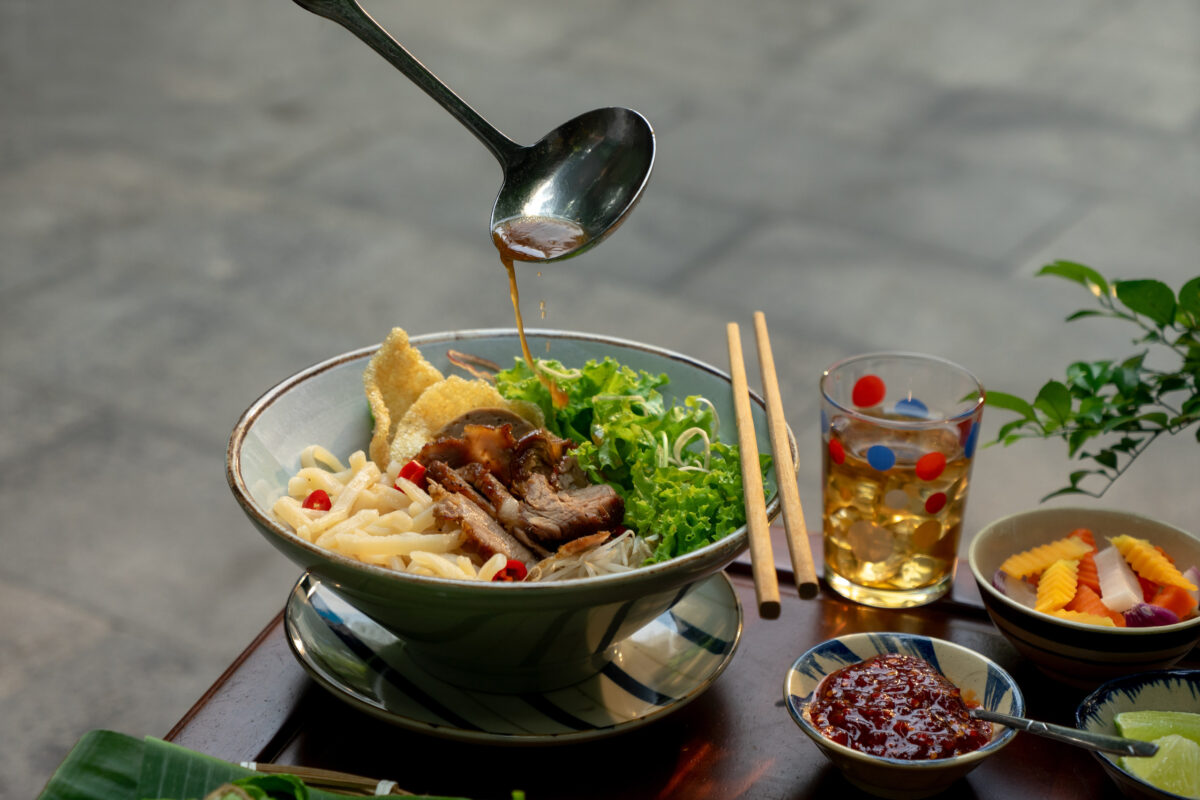
I have eaten Cao Lau more times than I can count on my trips to Hội An, but spending a whole night in Trường Lệ was a completely different experience. Seeing every step with my own eyes, talking with the workers and learning more about their lives made this age-old noodle craft all the more fascinating to me. As the sun rises, the last trays of noodles are sent off and everyone tidies up to rest. In just a few hours, the eateries will begin to fill with customers, while the noodle makers prepare for another night of work. And so it goes, day after day, for 364 days.
Words and photos: Ngọc Trần
From the book project Hoi An – The Lifestyle & The Food.